


What makes a starch “resistant”?
Resistant starch is a type of starch that isn’t fully broken down and absorbed, but rather turned into short-chain fatty acids by intestinal bacteria.
This may lead to some unique health benefits. To get the most from resistant starch, choose whole, unprocessed sources of carbohydrate such as whole grains, fruits, vegetables, and beans/legumes.
All starches are composed of two types of polysaccharides: amylose and amylopectin. (For more on polysaccharides, see All About Carbohydrates.)
Amylopectin is highly branched, leaving more surface area available for digestion. It’s broken down quickly, which means it produces a larger rise in blood sugar (glucose) and subsequently, a large rise in insulin.
Amylose is a straight chain, which limits the amount of surface area exposed for digestion. This predominates in RS. Foods high in amylose are digested more slowly. They’re less likely to spike blood glucose or insulin.
Thus, resistant starch is so named because it resists digestion.
While most starches are broken down by enzymes in our small intestine into sugar, which is then absorbed into the blood, we can’t fully absorb all kinds of starch.
Some starch — known as resistant starch (RS) — isn’t fully absorbed in the small intestine. Instead, RS makes its way to the large intestine (colon), where intestinal bacteria ferment it.
Resistant Starch is similar to fiber, although nutrition labels rarely take RS into account.
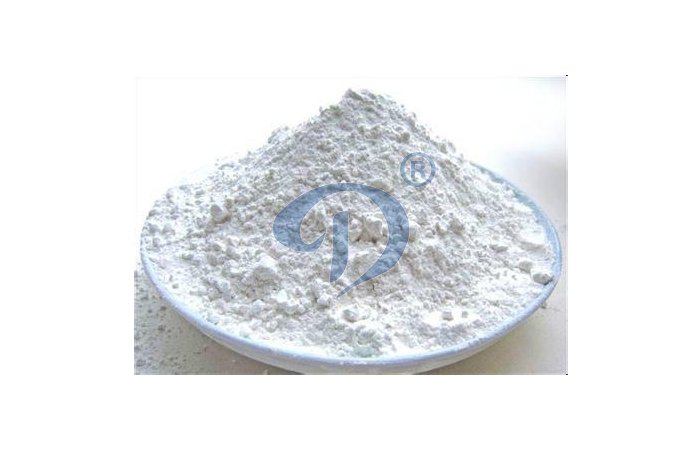
Cassava starch
contact us
- Do you want to buy machine?
- Yes, I want to buy machine
- No, I want to learn more in advance.
- What is your raw material?
- Cassava
- Potato
- Sweet potato
- Other:
- What is the final product you want to produce?
- Chips
- Flour
- Starch
- What is the final product you want to produce?
- Garri
- Cassava flour
- Cassava starch
- Cassava chips
- Attiekie
- Bammy
- Other:
- What is your planned capacity for final product?
- <1 ton per day
- 1 ton per day
- 2 tons per day
- 3 tons per day
- 3-10 tons per da
- 10-20 tons per day
- >20 tons per day
- What is the usage of your cassava chips?
- Food usage (like fried chips, flour)
- Industrial usage (like animal feeds, ethanol)
- What is your planned capacity for final product?
- <5 ton per hour
- 5-10 tons per hour
- >10 tons per hour
- What is your planned capacity for final product?
- <500 kg per hour
- 0.5-5 ton per hour
- 5-10 ton per hour
- >10 ton per hour
- What is your planned capacity for final product?
- <300 kg per hour
- 300-1000 kg per hour
- 1-5 ton per hour
- 5-10 ton per hour
- >10 ton per hour

 Call us
 Chat online


