


What Is the Market Price of Cassava Flour and Is Cassava Flour Processing Profitable?
In recent years, with the growing demand from the global food, feed, and industrial sectors, cassava flour has become one of the most promising agricultural processing products. This is especially true in cassava-rich regions such as Nigeria, Ghana, and the Democratic Republic of the Congo, where more and more farmers and investors are turning their attention to the cassava flour processing market. Before you take the first step into this business, you are bound to ask two key questions: What is the market price of cassava flour? And is cassava flour processing truly profitable?
In this article, Henan Jinrui will provide clear answers to both questions and guide you step by step on how to successfully start your own cassava flour processing business.
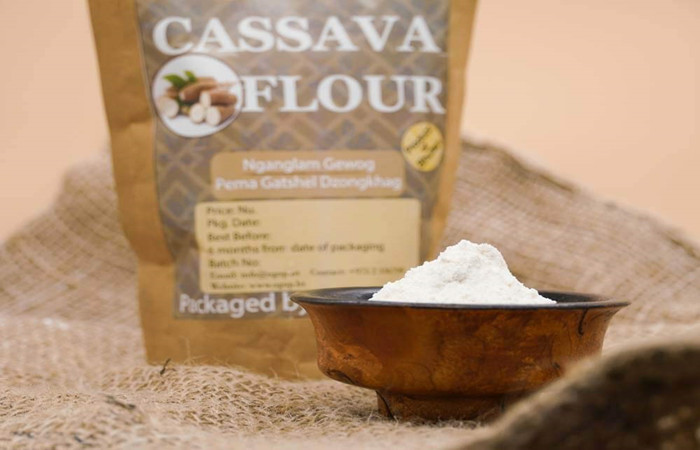 Cassava flour processing business
What Is the Market Price of Cassava Flour?
The market price of cassava flour varies by region, quality grade, and market channel. According to Tridge, a global agricultural data platform, wholesale cassava flour prices in 2025 and 2026 typically range from USD 0.41 to USD 0.96 per kilogram, or approximately USD 410 to USD 960 per ton. In major cassava-producing countries, raw fresh cassava tubers sell for roughly USD 50 to USD 150 per ton. After processing into high-quality cassava flour, its value jumps to around USD 700–800 per ton — an increase of up to 8–15 times.
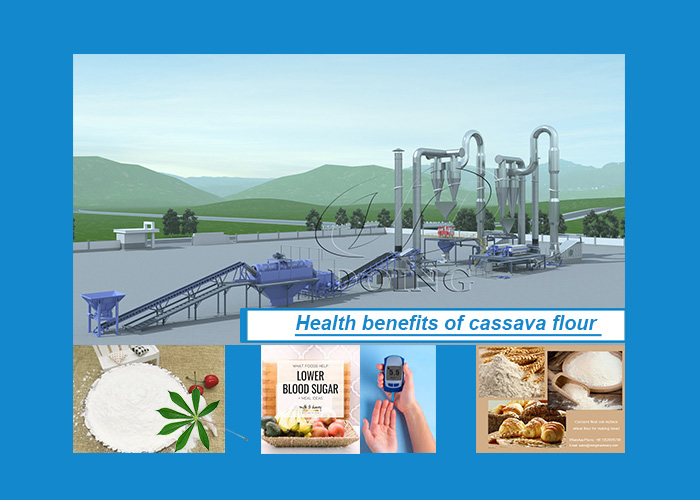 Profitable cassava flour processing
Is Cassava Flour Processing Profitable?
The answer is yes — cassava flour processing is highly profitable. Here are three key reasons.
1. Growing market demand
Cassava flour is widely used in baking, snacks, noodles, animal feed, and industrial manufacturing, providing stable year‑round demand. The global gluten‑free trend continues to fuel growth — the gluten‑free flours market is projected to reach USD 12.70 billion by 2032 at a CAGR of 7.35%. Many African governments actively support cassava value addition (e.g., Nigeria's cassava bread initiative), creating reliable market channels for cassava flour processors.
2. High profit margins
Real‑world examples confirm that cassava flour processing is profitable. SMEs in the sector achieve 30–40% profit margins annually. In Nigeria's Osun State, small‑scale cassava flour processors recorded an ROI of 35.90%.
3. Long shelf life
Fresh cassava spoils within 2–3 days of harvest, forcing farmers to sell immediately at low prices. Processed cassava flour can be stored for months. This allows you to wait for better prices, reach distant buyers, and avoid post‑harvest losses — directly making your cassava flour processing business more profitable.
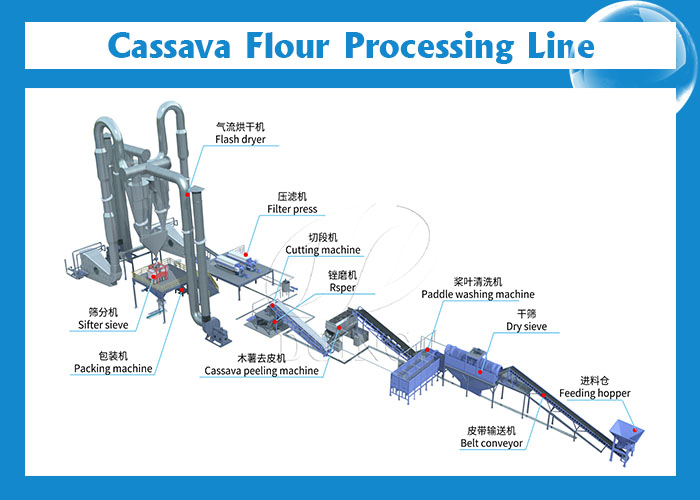 Cassava flour processing plant
How to Start a Profitable Cassava Flour Processing Business
Now that you understand the market price and profitability of cassava flour, here are the practical steps to start your own successful processing business.
Step 1: Choose Your Production Scale
Your investment should match your target market and available budget. Cassava flour processing lines generally fall into three scales: small-scale (suitable for family workshops and small producers), medium-scale (for small and medium enterprises), and large-scale (for export-oriented factories). Small-scale lines are simple to operate and have low energy costs but require more manual labor. Medium-scale lines use control systems for consistent quality, while large-scale lines are fully automated for continuous production and export-grade standards.
If you are a farmer or small investor, starting with a small-scale cassava flour processing line is an achievable first step. You can reinvest your profits to expand your business gradually.
Step 2: Understand Processing Flow and Technology
Understanding the basic cassava flour production process is key to building a profitable cassava flour processing business. The process includes six main steps. At each step, your equipment choice directly affects flour yield, product quality, and the overall profitability of your cassava flour processing operation.
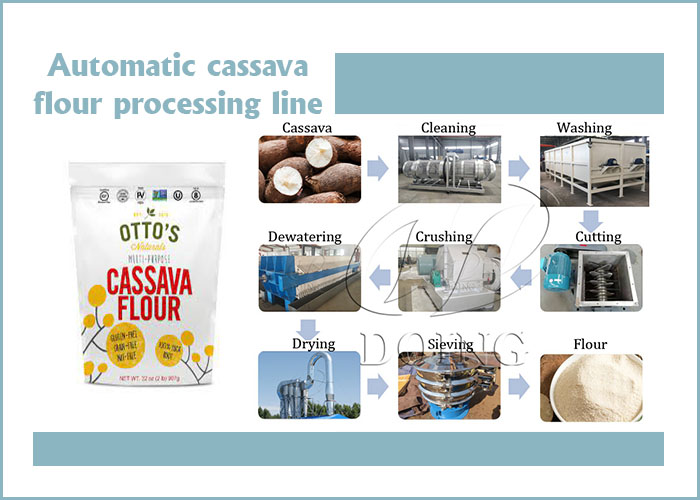 Cassava flour making machine
Washing–Paddle washer removes dirt, stones, and debris from fresh cassava roots.
Peeling–Mechanical or manual peeling equipment removes the outer skin. Henan Jinrui's cassava peeler is a common choice among cassava flour processors, achieving a peeling rate of over 90%.
Grating–A hammer mill or grater breaks down the cell structure of the peeled cassava.
Dewatering–The crushed cassava pulp is dewatered using a plate-frame filter press, a common piece of equipment in cassava flour processing. After dewatering, the moisture content is reduced to 38%.
Drying–A flash dryer further reduces moisture content, giving the cassava flour a longer shelf life.
Milling–A fine mill and sifter produce uniform, finely textured cassava flour.
Sieving & Packaging–A vibration sieve and automatic packer prepare the final product for the market.
Advanced cassava flour processing equipment significantly improves flour yield, reduces labor costs, and lowers energy consumption, while ensuring better product quality. Modern automated cassava flour processing lines produce cleaner flour with lower moisture content and better fineness—meaning your cassava flour can achieve higher market prices.
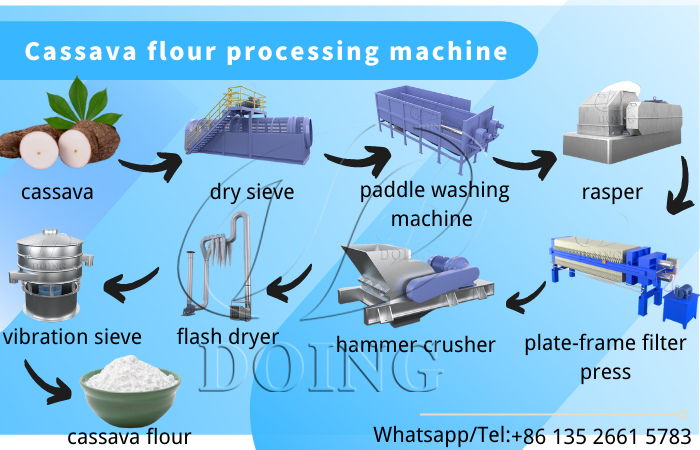 Cassava flour processing plant
Step 3: Find Your Target Market
To build a profitable cassava flour processing business, you need to know who your buyers are. Cassava flour has a wide range of customers. Consider targeting:
Local bakeries and food manufacturers : Many are looking for affordable, gluten-free alternatives to wheat flour. Supplying them with high-quality cassava flour can be a steady source of income for your profitable cassava flour processing business.
Export markets: Europe, North America, and Asia actively import cassava flour for gluten-free products. Accessing these markets can significantly boost the profitability of your cassava flour processing business.
Animal feed producers: Lower-grade cassava flour can be sold as livestock feed, providing an additional revenue stream and reducing waste.
Cassava flour processing is a proven profitable business opportunity. With strong and growing market demand, high profit margins, and a simple yet efficient production process, farmers and investors in cassava-rich regions can turn low-value fresh cassava into high-value flour that serves local bakeries, export markets, and animal feed producers. By starting at the right scale and following the right processing steps, you can build a sustainable and profitable cassava flour processing business.
Are you ready to start your own cassava flour processing business? Henan Jinrui offers complete, professional cassava flour processing solutions — from washing, peeling to drying, packaging. With customized plant designs and reliable equipment, we help you maximize flour yield, reduce costs, and achieve higher profits. Contact Henan Jinrui today to get the right solution for your cassava flour processing business.
contact us
- Do you want to buy machine?
- Yes, I want to buy machine
- No, I want to learn more in advance.
- What is your raw material?
- Cassava
- Potato
- Sweet potato
- Other:
- What is the final product you want to produce?
- Chips
- Flour
- Starch
- What is the final product you want to produce?
- Garri
- Cassava flour
- Cassava starch
- Cassava chips
- Attiekie
- Bammy
- Other:
- What is your planned capacity for final product?
- <1 ton per day
- 1 ton per day
- 2 tons per day
- 3 tons per day
- 3-10 tons per da
- 10-20 tons per day
- >20 tons per day
- What is the usage of your cassava chips?
- Food usage (like fried chips, flour)
- Industrial usage (like animal feeds, ethanol)
- What is your planned capacity for final product?
- <5 ton per hour
- 5-10 tons per hour
- >10 tons per hour
- What is your planned capacity for final product?
- <500 kg per hour
- 0.5-5 ton per hour
- 5-10 ton per hour
- >10 ton per hour
- What is your planned capacity for final product?
- <300 kg per hour
- 300-1000 kg per hour
- 1-5 ton per hour
- 5-10 ton per hour
- >10 ton per hour

 Call us
 Chat online


