


Where does the tapioca starch come from ?
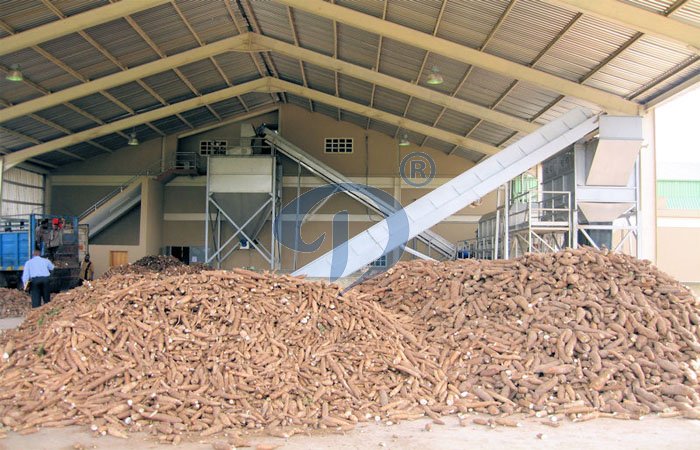
tapioca starch
In the harsh climate and thin soil of the world's tropical regions, starchy, sustaining foods such as potatoes and grains often grow poorly. The staple crop in these regions is manioc, or cassava, a plant producing edible green leaves and large, starch-rich tubers. Some varieties contain lethal amounts of cyanide that must be cooked out, leaving a dry and nutritious flour. When that flour is further processed into a pure starch, the result is tapioca. It's most commonly sold in small balls, or pearls, and cooked into pudding, but the pure starch is also a potent thickener.
contact us
- Do you want to buy machine?
- Yes, I want to buy machine
- No, I want to learn more in advance.
- What is your raw material?
- Cassava
- Potato
- Sweet potato
- Other:
- What is the final product you want to produce?
- Chips
- Flour
- Starch
- What is the final product you want to produce?
- Garri
- Cassava flour
- Cassava starch
- Cassava chips
- Attiekie
- Bammy
- Other:
- What is your planned capacity for final product?
- <1 ton per day
- 1 ton per day
- 2 tons per day
- 3 tons per day
- 3-10 tons per da
- 10-20 tons per day
- >20 tons per day
- What is the usage of your cassava chips?
- Food usage (like fried chips, flour)
- Industrial usage (like animal feeds, ethanol)
- What is your planned capacity for final product?
- <5 ton per hour
- 5-10 tons per hour
- >10 tons per hour
- What is your planned capacity for final product?
- <500 kg per hour
- 0.5-5 ton per hour
- 5-10 ton per hour
- >10 ton per hour
- What is your planned capacity for final product?
- <300 kg per hour
- 300-1000 kg per hour
- 1-5 ton per hour
- 5-10 ton per hour
- >10 ton per hour

 Call us
 Chat online


